
Will the madness ever end? Take a look at the new spokespeople for the new Triple Double Oreo. Question #1 – do these athletes really eat junk like this and Question #2 – if the actually DO, why? Question #3 – If they actually DO but stopped, how much better would they perform? and Question #4 – if they really don’t, how much did they have to be paid to say the do? http://ow.ly/67KFj
Author: Kimberly Roberto
Wife, Mom, Daughter, Business Owner with a Passion for Cooking and Eating Healthy Food and Helping Others to do the Same!
Strawberry Gelato
Core and Advanced Plan
Serves 2
This is one of the easiest desserts to make. It is only 3 ingredients and in 3 minutes, you are in heaven! You will not believe that there is an avocado in there.
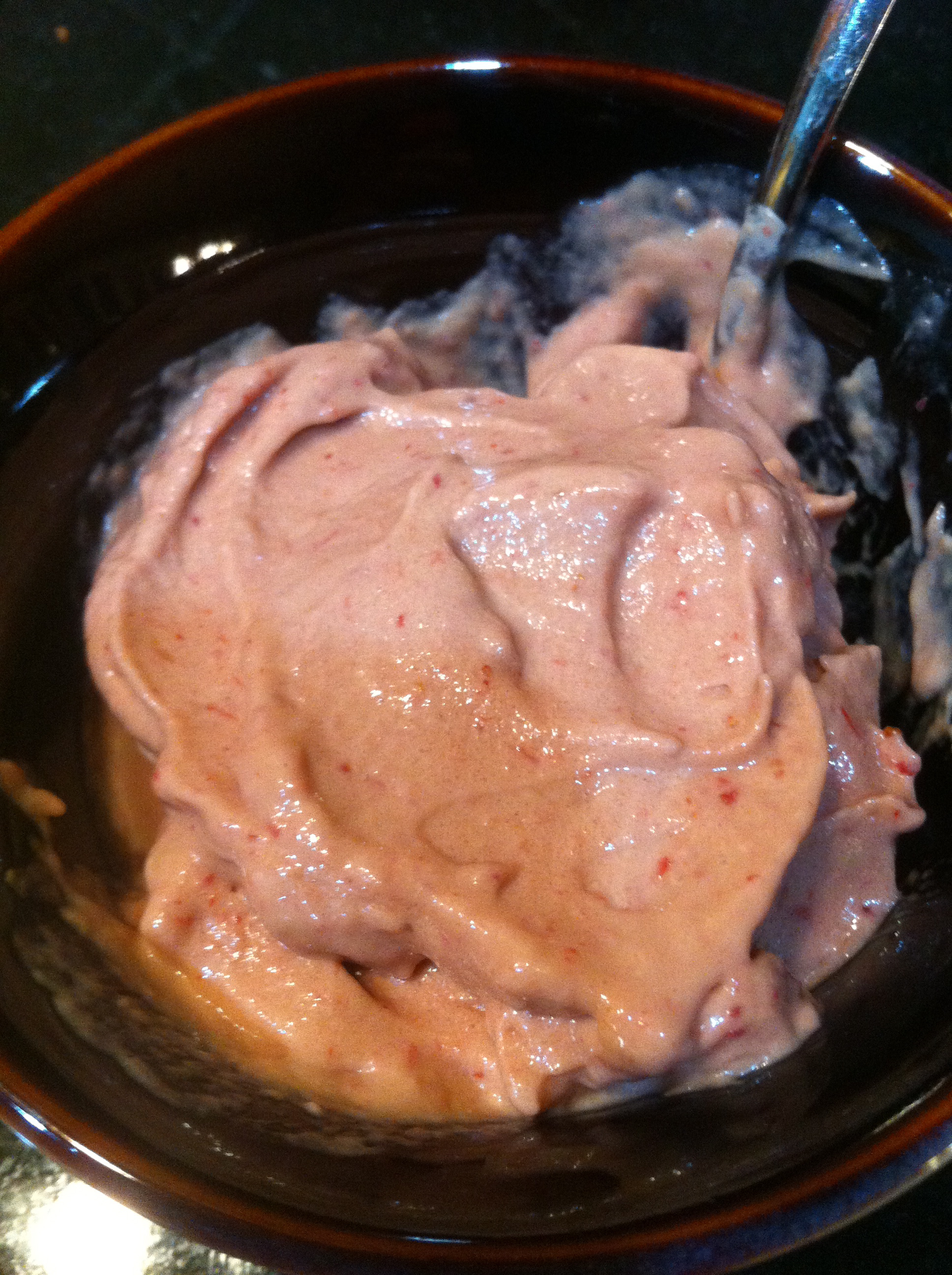
1 – 10 oz bag of frozen strawberries (about 2 cups)
1 ripe avocado, pit and peel removed
Stevia to taste
Put the strawberries and avocado in a heavy duty blender (preferably with a plunger). Make sure you blend it well then add stevia to taste. It won’t take much because the strawberries are sweet on their own.
Q. Is raw salmon OK to eat?
I recently received this nutrition question which I thought would be good to share, especially since so many people seem to have a passion for sushi.
Question: “There are hundreds of differing views on consuming raw fish.
PLEASE, let me know what you think. I freeze fresh,wild caught Alaskan Salmon and slice it thinly for sushi. I’ve gotten a lot of flack for it.
Thanks for any help you can offer.”
My response: Thank you for your question. Typically, if you are buying your fish from a reputable source and it is truly wild caught, your process will be fine. Freezing is what sushi restaurants to to ensure that there are no parasites on the fish. Salmon eaten in it’s raw form allows you to benefit even more from it’s rich omega content.
If you are still concerned, you can also go an extra step and “cure” the salmon. It will give your salmon a bit of a different taste. Here are a couple of methods.
Basic Salt Cure
1- 1 1/2 block of organic, wild caught pacific salmon
1/2 cup kosher or coarse sea salt
any other spices you would like – lemon peel, fennel seeds, black pepper, etc.
Put about half of the salt/spice mixture on the bottom of a baking dish (or anything that will accommodate the size of the salmon. Lay the salmon on top of the salt/spice mixture and top with remaining salt/spices. cover with parchment paper and weigh it down with heavy cans, jars, or bricks. Place in the refrigerator for approximately 2-4 days, turning every day. (pieces less than 1 1/2 inches thick will take about 2 days and larger pieces will take up to four days). The salmon will be firm when done. When it is done, remove it from the dish and rinse with filtered water and pat dry. Slice to serve.
Ceviche – citrus acid cure
Cut the salmon into bite-sized pieces (you want the marinate to have more surface area to work with ) Marinate the fish in lemon or lime juice until the salmon changes color from orange to a pinkish color. Once it is done, season it to your liking.
Have a great day!
Making Sense out of Tricky Labels
 When it comes to reading labels, it is important to understand what a claim on a label really means. There are certain terms that can sound great but can be misleading. What does it mean when it says organic, or natural. And what about those crazy claims? Here are some quick hints…
| Claim | What it Really Means |
| Fat Free | High Sugar and chemical toxins |
| Trans Fat Free | Typically contains trans fats but in amounts under the 500mg/serving “allowable amount” |
| Reduced Fat | Increased sugar and chemical toxins |
| NOTE: When manufacturers take out the fats, they also take out a lot of the taste. In order to bring back some taste, they add excessive amounts of sugar.
|
|
| Sugar Free | Artificial Sweeteners |
| No Sugar Added | Contains high amounts of natural sugars that still spike blood sugar |
| “Diet” | Contains artificial ingredients, artificial sweeteners, damaged fats, etc. |
| Excessively long expiration dates | Highly processed and preserved |
| Endorsements | Based more on the amount of money a company donates to a cause than the actual health benefits of the food. |
| Natural | There are no real guidelines for use of this term |
| Organic | Refers to products that use no chemical toxins (like pesticides), or chemical preservatives |
Definitions Explained:
• 100 percent Organic — All ingredients are organic.
• Organic — 95 percent or more of the total ingredients are organic.
• Made with Organic Ingredients — At least 70 percent of the ingredients are organic
More “organic” information:
Produce – grown without the use of chemical fertilizers or pesticides, and are not genetically engineered
Beef – the feed (see below) does not contain pesticides and often do not receive antibiotics and growth hormones. Albeit organic, cows are still fed grains (rather than grass), and are typically highly vaccinated
Chicken – you will often see “natural” which means that the chickens contain no artificial ingredients but does not necessarily mean it is organic. Free-range means that the chickens can roam free but does not necessarily mean they are organic. Cage free typically means that they are still kept indoors, without cages but still in very cramped quarters.
Milk – can hold the organic label as long as the feed is organic and the cow was given no antibiotics or growth hormones within the last year.
Oven Baked Pesto Chicken
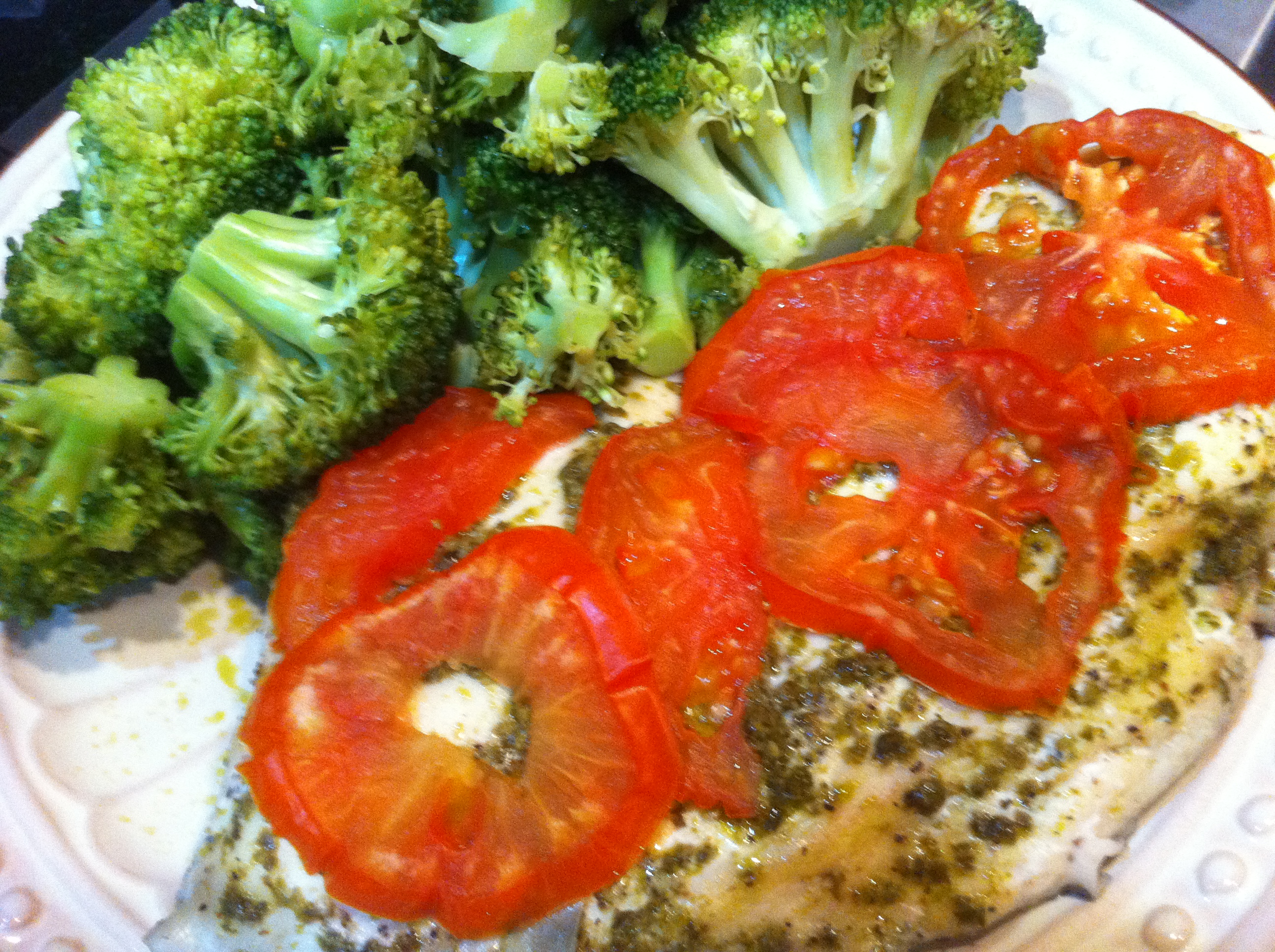
This is a recipe I have been making since my early married life. It was one that was quick and easy, yet has tremendous flavor. It is great for the whole family but also has an elegant flair that can be used for dinner parties. Surely one of my favorites.
1 pound organic chicken breasts
1-2 tablespoons of pesto sauce per breast (homemade (see below) or storebought but check ingredients!!! Look for olive oil NOT damaged oils)
4 roma tomatoes, sliced
sea salt and ground black pepper
shaved parmesan cheese, optional
sliced black olives, optional
Preheat oven to 350 degrees.
Trim any excess fat from the chicken and place between pieces of parchment paper. Pound chicken to even thickness (approximately 1/2 inch) with a meat mallet. Sprinkle both sides with salt and pepper and transfer to a baking dish. (General cooking hint: you want the chicken to fit snugly for best cooking – you do not want a lot of extra space in the pan)
Spread pesto sauce over the top of the chicken breasts and cook for about 20 minutes than add the sliced tomatoes and parmesan cheese if desired. Continue cooking until chicken is cooked through (about 15-20 additional minutes). Add slices olives as garnish if desired, and serve.
Pesto Sauce
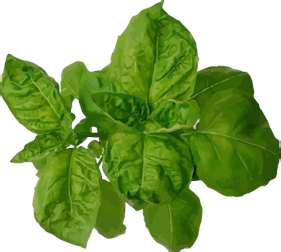 3 cups fresh basil
1 cup extra virgin olive oil
2 tablespoons garlic, minced
1/2 cup pine nuts or walnuts ground fine
2/3 cup grated parmesan
1/2 teaspoon chili powder, optional
Place the basil in a blender. Pour in about 1 tablespoon of the olive oil, and blend the basil into a paste. Gradually add pine nuts or walnuts, cheese, garlic, chili powder, if desired, and drizzle in remaining oil. Continue to blend until smooth.
Extra pesto sauce can be used on eggs, on cauliflower or other steamed vegetables, over spiral sliced zucchini, or as a dip. Extra can also be frozen in ice cube trays for use later.
Father’s Day Menu
This is a great menu line up for Father’s Day. It can double as a nice menu for a summer get-together of family meal.
On the Menu
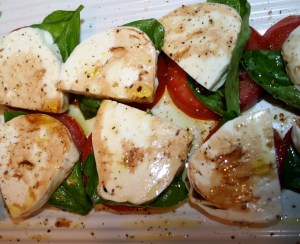
Caprese Salad
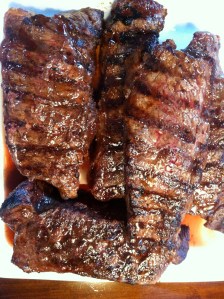
Grass Fed NY Strip Steaks with Chimichurri Sauce
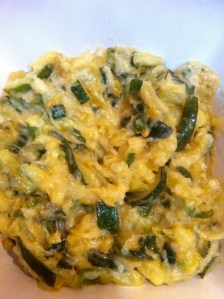
Chile-Zucchini Mash
Mashed No-tatoes (recipe in the book)

 EatSmart Meals
You must be logged in to post a comment.