Q. Is raw salmon OK to eat?

I recently received this nutrition question which I thought would be good to share, especially since so many people seem to have a passion for sushi.

Question:  “There are hundreds of differing views on consuming raw fish.
PLEASE, let me know what you think. I freeze fresh,wild caught Alaskan Salmon and slice it thinly for sushi. I’ve gotten a lot of flack for it.
Thanks for any help you can offer.”

My response:  Thank you for your question.  Typically, if you are buying your fish from a reputable source and it is truly wild caught, your process will be fine.  Freezing is what sushi restaurants to to ensure that there are no parasites on the fish.  Salmon eaten in it’s raw form allows you to benefit even more from it’s rich omega content.

If you are still concerned, you can also go an extra step and “cure” the salmon.  It will give your salmon a bit of a different taste.  Here are a couple of methods.

Basic Salt Cure
1- 1 1/2 block of organic, wild caught pacific salmon
1/2 cup kosher or coarse sea salt
any other spices you would like – lemon peel, fennel seeds, black pepper, etc.

Put about half of the salt/spice mixture on the bottom of a baking dish (or anything that will accommodate the size of the salmon.  Lay the salmon on top of the salt/spice mixture and top with remaining salt/spices.  cover with parchment paper and weigh it down with heavy cans, jars, or bricks.  Place in the refrigerator for approximately 2-4 days, turning every day.   (pieces less than 1 1/2 inches thick will take about 2 days and larger pieces will take up to four days).  The salmon will be firm when done.  When it is done, remove it from the dish and rinse with filtered water and pat dry.  Slice to serve.

Ceviche – citrus acid cure
Cut the salmon into bite-sized pieces (you want the marinate to have more surface area to work with ) Marinate the fish in lemon or lime juice until the salmon changes color from orange to a pinkish color.  Once it is done, season it to your liking.

Have a great day!

Grass Fed NY Strip with Chimichurri Sauce

When you are switching from conventional beef to grass-fed beef, there are a couple of cooking secrets you need to know.  Since grass-fed beef is much lower in total fat, it can become tough if not cooked properly.

Here are the basic tricks:

  • Never over-cook!  Grass fed beef is best cooked to medium-rare to medium.
  • Use a tenderizing tool like the Jaccard Tenderizer.  This does wonders for tenderizing grass fed steaks.
  • Marinate the beef for at least 30 minutes with olive oil, lemon juice or apple cider vinegar, salt, pepper, and spices.
  • Cook on high only to sear then cook on low-med heat.  Never cook on high heat.
  • Never cut or puncture the beef while cooking – it lets all of the juices run out.

For the steaks, follow the above steps and cook to desired doneness.  Let the steaks sit for about 5 minutes before serving to seal in the juices.  Serve with Chimichurri Sauce (recipe in the Maximized Living Nutrition Plans book)

Packable Lunch Ideas

Here is a video to show you how versatile and healthy lunches can be.

I always get questions about packing healthy lunches for kids.  This is a unique challenge for parents, especially if these are new changes for children.  Here is a list of some ideas to get you started.

Getting your kids to eat and to LIKE what you make them may be difficult at times but don’t give up.  Keep trying and you will be surprised how quickly they make changes.

I have found that using something like a bento box (what Japanese children use – it has several different small containers that keep lunch components separate and makes for a presentation kids love.  Plus…it cut’s down on plastic bags which are toxic and bad for the environment anyway.

MLNP= Maximized Living Nutrition Plans Book (contact me for a copy)

•    Chicken Salad –   Organic chicken, homemade mayo or avocado oil mayo, and any combination of:  celery, onions, curry powder, lemon juice, nuts, grapes, raisins.  Recipe in MLNP.
•    Cold Meatloaf – Recipe in MLNP
•    Cold Meatballs on skewers with Fruit or Cheese)
•    Turkey–Melon Wrap –  Organic deli turkey with thinly sliced melon wrapped in a sprouted grain tortilla.
•    Fresh Mozzarella, Tomatoes, and Basil with Balsamic & Olive oil
•    Chicken Wings –  Just bake organic chicken wings with hot sauce (check ingredients)

•    Salmon Cakes – Recipe in MLNP
•    Hummus – Recipe in MLNP
•    Chili in a thermos – Recipe in MLNP
•    Guacamole with veggie dippers– Recipe in MLNP
•    Organic Egg Salad on Ezekiel Bread or Wrap
•    Organic Hard Boiled Eggs
•    Dried Fruit
•    Plain Grass Fed Organic Yogurt with fruit.  Make sure you check ingredients!  Yogurt is a common hiding place for lots of sugar.
•    Cookie Cutter Sandwiches – just cut out shapes of sprouted grain bread, organic deli meat, cheese, hummus, almond butter, banana.
•    Trail Mix – nuts, coconut flakes, chunks of chocolate bark (recipe in MLNP), seeds
•    Smoothies in an insulated container.
•    Kale Chips – Recipe on this blog.
•    Organic Deli Meat Rollups – Organic Deli Meat spread with organic cream cheese or hummus, dill pickle, etc.
•    Ezekiel Bread French Toast Sticks with Strawberry Syrup (organic strawberries boiled down until forms a syrup – make ahead of time)
•    Sliced Leftover Organic Chicken
•    Raw Cheese Cubes
•    Tamari Almonds – soaked almonds sprinkled with tamari and lightly roasted
•    Pickles
•    Frozen Grapes
•    Organic GMO Free Popcorn popped in coconut oil with organic grass fed butter and sea salt
•    Grass Fed Beef or Turkey Jerky Recipe in MLNP
•    Soup in a thermos…put hot water into your thermos and let stand for 5 minutes, remove water and refill with the soup – this will keep it warm even longer
•    Salad – get creative!
•  Rainbow fruit skewers – just place colorful fruit (in rainbow order) on a skewer or make mini ones on toothpicks.

Dinner Challenge – Good Meals FASTER than Eating Out

This is my dinner challenge to people who tell me they don’t have time to cook and that it is just faster to go out.

Let’s challenge that thinking.  So…first you have to decide where to go.  That usually takes about 15 minutes of “where do you want to go” “I don’t care, where do you want to go”, “I picked last time, you pick”, etc. until finally, “OK- let’s go to the neighborhood grill”.

Once the place has been chosen, you have to load up everyone, drive to the place, wait to be seated (most restaurants have a wait, even on weeknights because everyone else is eating out these days too), try to hunt for something healthy, wait to have your order taken, wait to be served, eat, pack everyone back in the car, and drive home.  All of that takes 30 minutes at a MINIMUM!

On the flip side, lets say you decide to cook at home.  You’ve used the Maximized Living shopping list and meal plans to stock your pantry and refrigerator so all you have to do is prep and chop your ingredients, cook (almost every single recipe in the book takes 30 minutes or less), eat the healthy tasty meal, and load the dishwasher (using non-toxic dishwashing detergent of course).  All of that takes about 30 minutes – maybe 40 Max.

It is time to break through the misconceptions people have about cooking and eating.  Do this challenge yourself- I’d love to hear the results.

How do I cook my vegetables?

How do I cook my vegetables?

One question we get a lot is “Why aren’t there many vegetable recipes in the Maximized Living Nutrition Plans book?”  Many people interpret this to mean that Maximized Living promotes meat consumption over vegetables.

While the Maximized Living Nutrition Plans encourage good quality, organic, free range, pasture fed meats, it also recommends a that substantial portion of you daily intake should come from fresh vegetables (and fruits if on the Core Plan).

One of the reasons there are very few recipes for vegetables in the book is simply because vegetables do not require a lot of preparation.  Typically, a light steam or sautee with some added “good fats” and seasonings is all it takes to prepare vegetables.  Therefore, no recipe is really needed.  There are many different ways to combine vegetables, spices, and sauces but it is up to personal preference.

Here are some examples of some great ways to prepare different vegetables.

Asparagus: Drizzle with avocado oil or coconut oil, sprinkle with sea salt, grill on an indoor grill pan or roast in the oven at 350 degrees for 8-10 minutes.  Also great with a homemade organic hollandaise sauce.

Bell Peppers: Red Bell Peppers:  make sure you buy these organic but a great way to prepare them is to broil them in the oven until the skins are blistered and blackened- you will have to flip them several times.   Take them out of the oven and place them in a paper bag and let “steam”.  The skins will peel right off and you are left with the tender, flavorful flesh.  Eat plain or add to other dished.  You can also add some olive oil and place in the refrigerator for later use.   Green Bell Peppers:  great sautéed with sliced onions for fajitas or raw on salads or as “scoopers” for guacamole instead of chips.

Broccoli:  Lightly steam and add butter and garlic powder OR heat olive oil lightly (do not let smoke) in a saucepan and melt 1-2 anchovies – pour over broccoli.  The anchovies melt into the olive oil leaving a very tasty, salty, topping.

Brussels Sprouts: Cut sprouts in half – sautee in 1-2 tablespoons of avocado or coconut oil plus 1-2 tablespoons of butter.  Sprinkle with sea salt and pepper.  You can also add finely chopped shallots or onions to the sautee.  Great topped with crumbled organic turkey bacon.

Cabbage: Chop or slice thin and sautee in coconut oil or grapeseed oil and butter.  Sprinkle with sea salt, pepper, and celery seed.  You can also slice very thin for cole-slaw.  Just add homemade mayonnaise or vinegar, salt and pepper, lime or lemon juice and add any other vegetables you would like.   You can also use cabbage to make saurkraut or kimchi.  Great in any stir-fry or salad as well.

Cauliflower: Great sautéed or roasted in the oven with olive oil, garlic, and capers.  Cauliflower is also the perfect substitute for mashed potatoes.  Just steam the cauliflower and put it in a blender with a little organic milk or almond milk, garlic, sea salt, and pepper.

Cucumber: Perfect addition to salads.  Also good mixed with chopped tomatoes and topped with olive oil, lemon juice, sea salt and pepper, and fresh dill.

Eggplant: Slice into 1/4 “ slices (longways or in rounds) and place on a baking sheet covered with parchment paper.  Drizzle with olive oil, sprinkle with sea salt and pepper.


Greens: Use raw in salad and drizzle with olive oil and balsamic vinegar (If using swiss chard or kale, massage the oil into the leaves.  This will make them much more tender and flavorful).  Wilt lightly in a saucepan with olive oil, crushed garlic, and a small amount of apple cider vinegar.  Sprinkle with sea salt, pepper, and crushed red pepper or a couple of grates of fresh nutmeg if desired.

Green Beans: (really a legume):  For crunchy, fresh flavor:  steam and add butter, healthy oil, sea salt, pepper, and crushed walnuts.  For more tender beans:  boil in a small amount of water until desired doneness and top with sea salt, pepper, crumbled turkey bacon, etc.

Raddichio: very good drizzled with olive oil, sea salt, and pepper and grilled.

Squash – Acorn or Butternut:  simply cut the squash in half and place face down on a baking sheet lined with parchment paper.  When done, scoop out the insides and add sea salt, pepper, and any blend of cinnamon, nutmeg, ginger, stevia.

Mushrooms: great raw in salads or sautéed with any other chopped vegetables for a stir-fry type dish.

Zucchini & Yellow Squash: These are great cooked together.  Heat coconut oil and butter in a frying pan to medium heat.  Add chopped zucchini and yellow squash to the pan and do not stir until it is slightly browned.  Add preferred seasoning blend with sea salt and pepper.  Stir and cook until desired doneness.

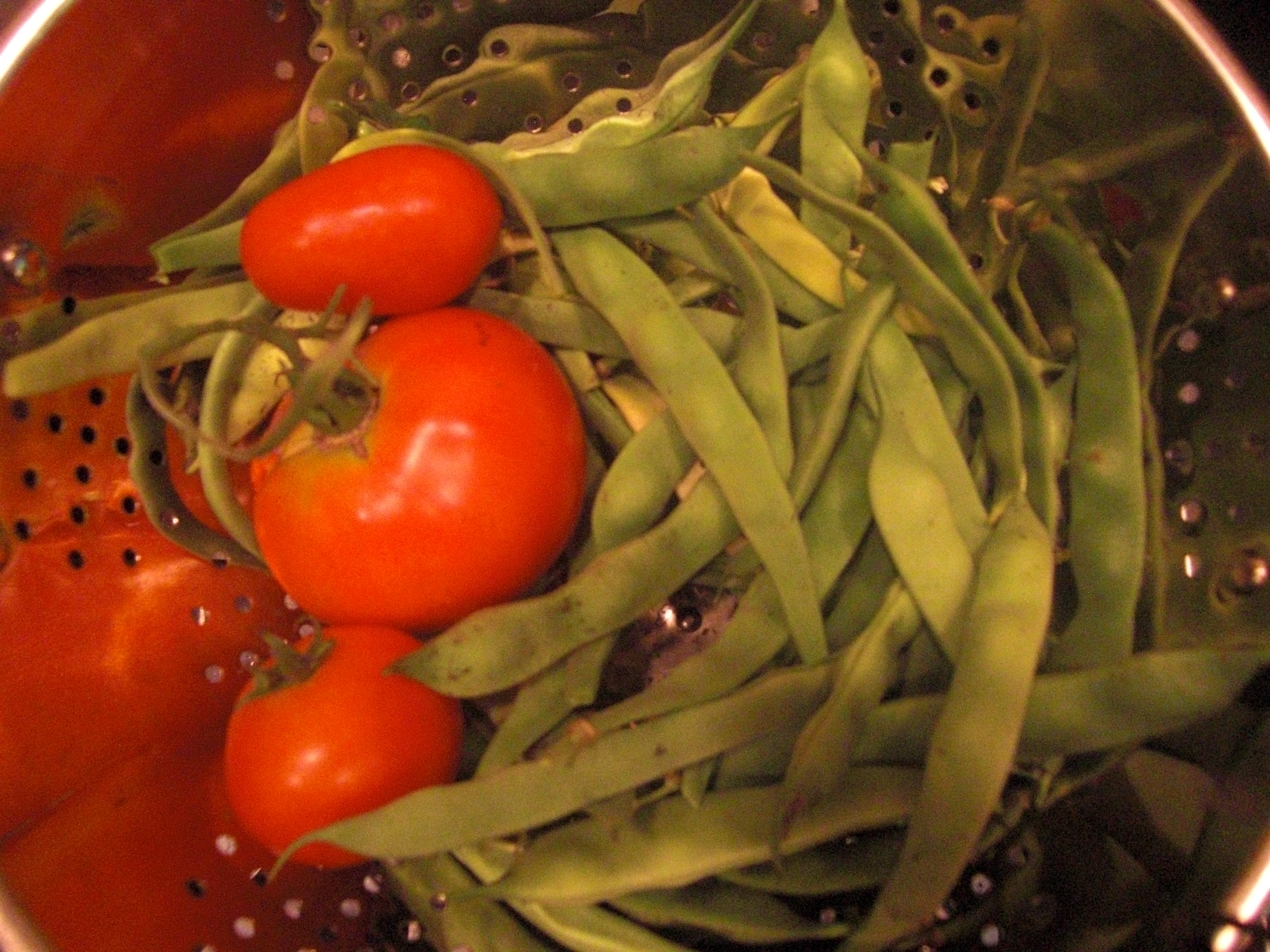
Fresh Green Beans from the Garden

My son and I went out to the garden yesterday and hunted through the tangled bean vines and came in with a whole pot full.  There is nothing more satisfying than eating food that was grown in your own back yard.  My husband graciously build up a fenced in garden area so that the monstrous rabbits that co-habitate with us can’t eat everything.  My mother in law runs the planting operation, and my kids and I are on picking duty.  Even if you just grow 1 tomato plant, it is worth it!

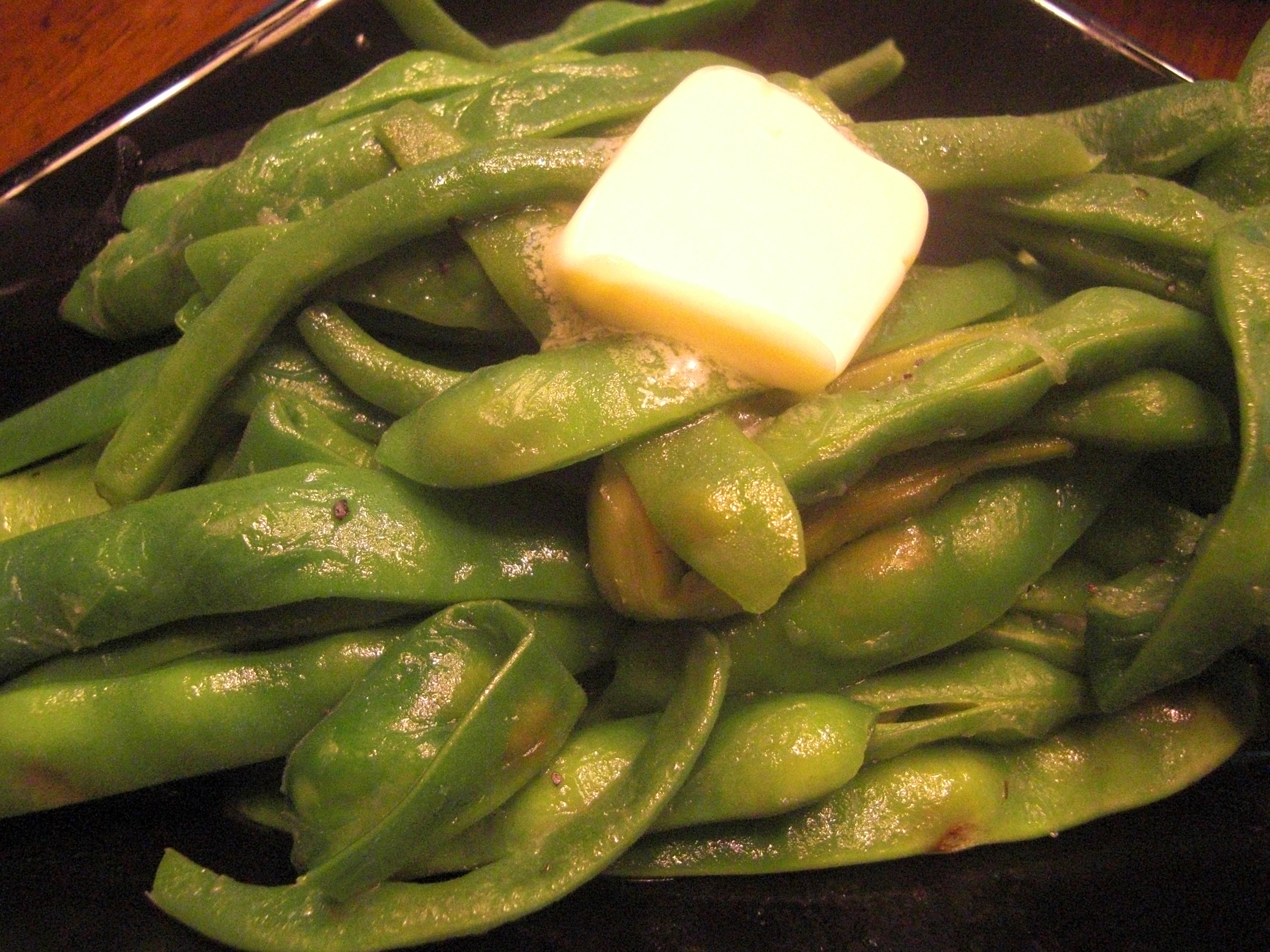
I steamed these beans and put some salt and butter just before serving.  Delicious!