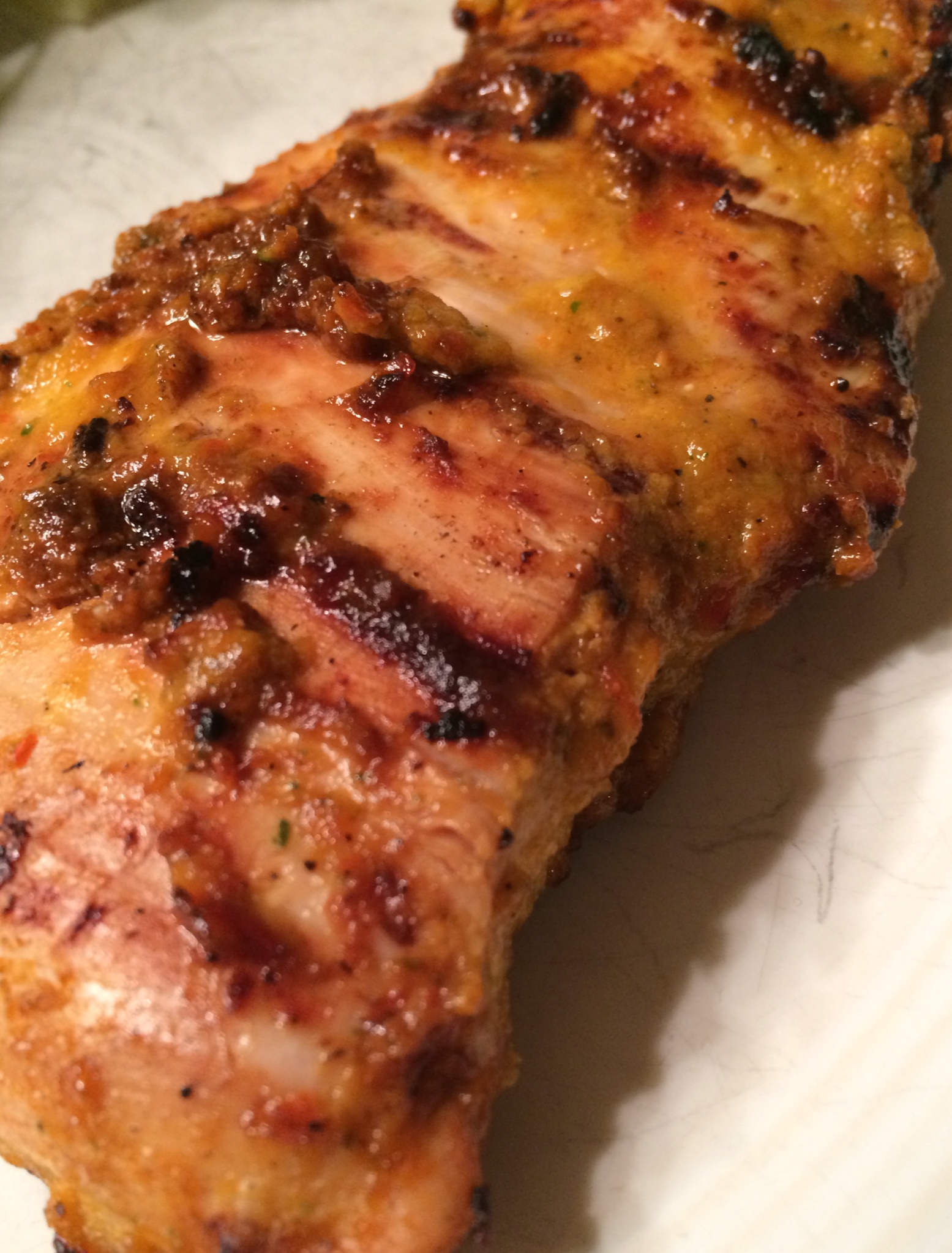
Grilled Southwest Chicken

This recipe is courtesy of our wonder friend and patient Peggy Romanowski.  It is flavorful and easy.  You can use and outdoor grill or indoor grill pan.   This is a recipe you’ll want to keep in your meal rotation.  Enjoy

Core & Advanced Plan

Serves 4-6
southwestern chicken2 medium tomatoes, quartered
1 1/2 cups chopped onion
1/2 cup chopped red bell pepper
4 garlic cloves
1/4 cup fresh cilantro
2/3 cup liquid amines or tamari
6 tablespoons melted coconut oil or olive oil
2 tablespoons fresh lime juice
1 1/2 teaspoons black pepper
chopped fresh parsley for garnish
4-5 large organic chicken breasts (pounded to 1 inch thickness)
Put first 9 ingredients in a blender and blend for 30 seconds.  Pour over chicken to marinate for at at least 4 hours or overnight.  Remove chicken from marinade and grill about 20 minute or until no longer pink in the middle, turning frequently and basting with marinade.  Sprinkle with fresh parsley before servings.

Serving idea:
Serve with black beans and/or chile-zucchini mash

Spaghetti Squash and Meatballs

This is a great dinner that will replace the traditional carbohydrate loaded pasta dish.

photo2 pounds grass fed ground beef
1/3 cup almond flour
1/4 cup fresh grated Parmesan cheese
2 garlic cloves, pressed (or minced)
1/2 small onion, grated (or minced)
2 teaspoons olive oil
1/4 bunch fresh parsley or 1 tbsp dried parsley
1 teaspoon dried italian seasoning
1/2 teaspoon sea salt
1/4 teaspoon fresh cracked black pepper
1/4 teaspoon crushed red pepper, if desired
2 large organic eggs, lightly beaten

Mix all ingredients in a large bowl.  Form into balls with your hands.

There are two options for cooking your meatballs:

Heat 2 tablespoons of coconut oil in a skillet and brown meatballs.  When well browned, transfer them to your sauce (homemade or store-bought – check ingredients!) and simmer until cooked through.

Form meatballs and place on a parchment lined baking sheet and bake at 375 degrees for 20-22 minutes.  Transfer them to your sauce and simmer.

Spaghetti Squash:

Cut the spaghetti squash in half and scoop out seeds
Put about 1/2 inch of water in a baking dish and place squash, cut sides down, in the dish.
Bake for about 45-60 minutes depending on the size of the squash or until soft.  (Do not overcook or it will turn to mush).

Flip the squash over and use a fork to loosen the “noodles”

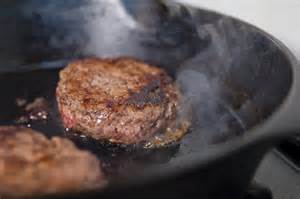
The BEST Grass Fed Burgers

Grass-fed beef is naturally better tasting and less fatty overall.  The addition of the onion and keeping the patties a bit thicker prevent them from drying out.  This is the absolute best way to make your grass fed burgers.

grassfed burger1 small or about 1/4 cup onion, coarsely grated
1½ pound grass-fed ground beef
1¼ teaspoon sea salt
½ teaspoon freshly ground black pepper
1/4 teaspoon garlic powder
Coconut oil for frying

Using your hands, gently mix onion, beef, salt, pepper, and garlic power in a medium bowl. Do not overmix.  Gently shape into four 1½”-thick patties.

These burgers can be grilled or fried.

If using a grill, sprinkle patties with  a little more salt and pepper.  You will want to sear the burgers to seal in the juices then finish cooking on much lower or indirect heat.

To fry, heat coconut oil in a large skillet (cast iron works best), over medium-high heat. Sprinkle patties with  a little more salt and pepper, place in skillet, and immediately reduce heat to medium. Cook 4–6 minutes per side for medium-rare (the best way to serve grass fed burgers or steaks).

Serve in a lettuce leaf, over salad, advanced plan roll, or use a sprouted grain bun (core plan)

Hot Chicken Salad

Serves 4

Advanced & Core Plan

photo4 organic chicken breasts, cooked and chopped or shredded OR 2 large cans of organic chicken (can be found at Costco)

1 cup homemade mayonnaise or plain greek yogurt

juice of 1/2 lemon

1/2 cup (or more if desired) sliced almonds, chopped pecans, or chopped walnuts

2 stalks organic celery, chopped

1/2 onion, chopped

4-5 hearts of palm, chopped or artichokes, chopped

Optional:  curry seasoning

topping:  chopped nuts/seeds of any assortment or gomosaio

Mix everything together and put into a 8×8 baking dish.  Top with chopped nuts/seeds and bake at 350 degrees for about 20 minutes or until hot throughout.

Great served with zucchini fries

Why Grass Fed Beef?

MYTH: FAT IN RED MEAT CAUSES heart disease, cancer, osteoporosis, and kidney disease!

TRUTH: There have been many meat eating societies where heart disease, diabetes and cancer are non-existent. Where cholesterol and blood pressure are normal and there is longevity and quality of life.   Studies linking red-meat to disease have all been performed on conventional beef.

It starts at the beginning

Cows were designed to roam green pastures and eat grass, NOT to be raised in crowded feedlots and eat grains like all commercial beef.

It takes 5-8 lbs of “food” to produce 1 lb of beef. That is 5-8 lbs of omega-3 rich grass or 5-8 lbs of pesticide-laden, genetically modified, processed grains (mostly corn). You are not just what you eat but what you eat ate!!!

Problems when cows eat grains

  • Grain causes the rumen to expand and apply pressure to the cow’s lungs which can cause suffocation.   The animal will often have to have a tube pushed down their esophagus to avoid suffocation.
  • Severe acidosis is common with this unnatural diet. The cow gets very sick (similar to severe heartburn) and begin to eat dirt to try to stop the burning sensation. They will pant and salivate excessively and frequently develop liver disease and ulcers. This results in processors adding a constant, low-level dose of antibiotics to try to combat the problem.
  • Most cow’s also have anabolic steroids implanted in their ears to promote faster growth.
  • All of this obviously weakens the cow’s immune system

Meat Processing

  • Old meatpacking plants slaughtered about 50/hr, 20 years ago 175/hr, now 400+/hr
  • American meat production is very centralized…13 meat packing houses now slaughter most of the beef consumed in the US. This is a breeding ground for bacteria and disease (e.coli, staph, etc). It is estimated that one hamburger can contain meat from 100+ different cows.

Bad for the Environment

It takes a heavy amount of fossil fuels to grow feed crops, fertilize them, spray pesticides and herbicides to them, and transport them to the feedlots. Grass feeding is a natural cycle that feeds animals and replenishes the ground with little to no additional effort. The grass fed model is actually beneficial to the environment and the health of Americans.

Health Benefits of Grass Fed Beef

  • 2-4 times more Omega-3 fatty acids. (Ratio of Omega 3 to Omega 6- Grass fed beef 2:1, Grain fed beef 20:1)
  • 3-5 times more CLA (Conjugated Linoleic Acid) which is a powerful cancer fighter
  • 4 times higher in Vitamin E
  • Higher in the minerals calcium, magnesium, and potassium

Great websites for more information and to order grass fed beef:

  1. Eat Wild
  2. US Wellness Meats
  3. Hodge Ranch
  4. Two by Two Farms (Bought Vineyard Farms on Macland Rd)
  5. White Oak Pastures (ground beef is available at Publix, roasts/steaks/ground beef available at Harry’s, also available online)


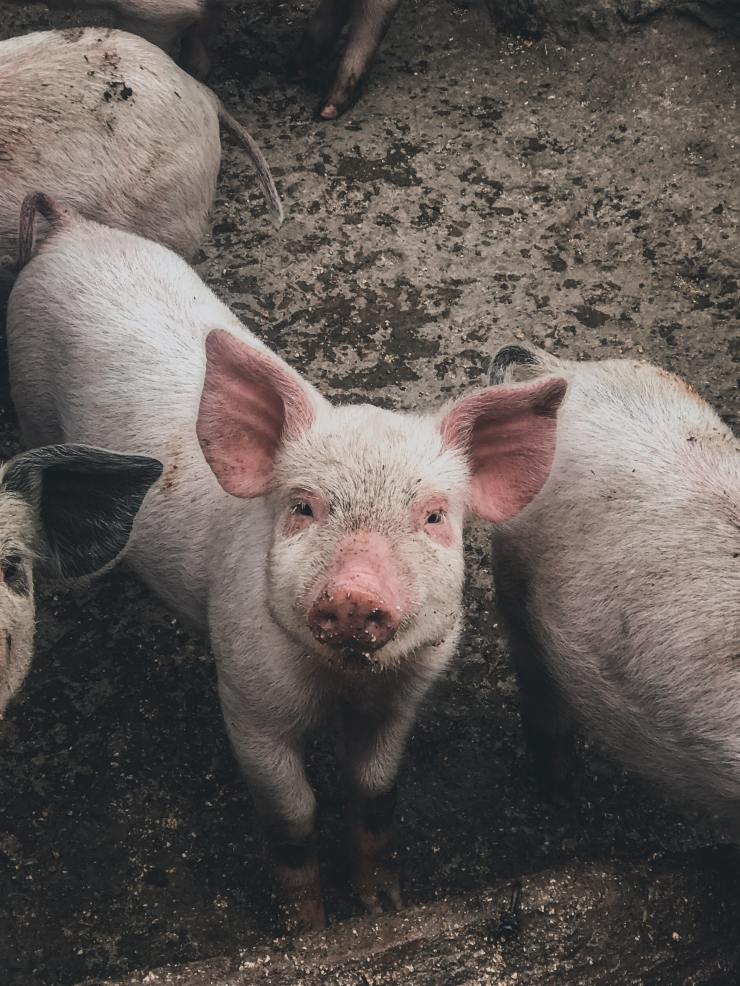
Why don’t the Maximized Living Nutrition Plans recommend Pork & Shellfish?

dan-renco-Y06imaOLycY-unsplash

The Basics

  • Pigs are scavengers (they will eat anything)
  • Pork is highly acidic
  • Pork is toxic
  • Pork is inflammatory
  • Pork carries parasites
  • Pork is linked to numerous health conditions
  • Pork has a less desirable omega 3:6 ratio than grass fed beef
  • Pork is not essential for a healthy diet

Shellfish, more of the same…

  • scavengers, toxic, inflammatory, prone to pathogens, etc

Let’s look at the biblical, the scientific, and the common sense

Could it be that the bible was right?

(Note:  Yes, the New Testament declares all food can be eaten because the Old Testament covenant was fulfilled and therefore Leviticus is no longer applicable.  However, that DOES NOT mean that all foods are good for you.  Everyone has free will to eat whatever they want without it being sinful BUT there may be health consequences.  In other words “without sin” =/= “healthy for you”)

  • Lev 11:2-3 Of all land animals these are the ones you may eat:
  • any animal that has hoofs you may eat, provided it is cloven-footed and chews the cud.
  • Lev 11:6-7and the pig, which does indeed have hoofs and is cloven-footed, but does not chew the cud and is therefore unclean for you.
  • (New American Bible)
  • Lev 11:9-10 Of the various creatures that live in the water, you may eat the following: whatever in the seas or in river waters has both fins and scales you may eat. But of the various creatures that crawl or swim in the water, whether in the sea or in the rivers, all those that lack either fins or scales are loathsome for you,
  • What else is “unclean”? eagles, vultures, owls, lizards, camels, etc.

The Pig Itself

  • Pigs are scavengers of the earth and will literally eat anything.
  • Pigs have a very unsophisticated digestive system. Whatever they eat (and that could be anything) ends up on their flesh within about 4 hours. Cows on the other hand, “chew the cud” and have a more sophisticated digestive system (4 compartments in their stomach) which breaks down and helps in the detoxification process.
  • Pigs are not the healthiest creatures: fat, lumbering, poor skin, skin lesions, tubercles in the lungs, abcesses in the liver
  • Pigs also have no sweat glands to allow for the release of toxins. Many pigs often have open, oozing sores where the overabundance of toxins manifest.

Parasites

  • Pigs are notorious for the amount of parasites present.   Most of these parasites are heat-resistant. This means that even cooking may not kill them. (Even if they are killed off, you may still be eating dead parasites)
  • One of the biggest concerns with eating pork meat is trichinellosis or trichinosis. This is an infection that humans get from eating undercooked or uncooked pork that contains the larvae of the trichinella worm.
  • When the worm, most often living in cysts in the stomach, is opened due to stomach acids, its larvae are released into the body of the pig. These new worms make their homes in the muscles of the pig.   They remain there even as humans ingest the infected meat flesh.
  • Cysticercosis, lives in pork tissue. The larvae are released, reach maturity, and mate in the intestines, the females producing live larvae. The parasites are then carried from the gastrointestinal tract by the bloodstream to various muscles, where they become encysted.
  • According to Consumer Reports, 69 percent of all raw pork samples tested — nearly 200 samples in total — were contaminated with the dangerous bacteria Yersinia enterocolitica, which causes fever and gastrointestinal illness with diarrhea, vomiting, and stomach cramps. (Ground pork was more likely than pork chops to be contaminated.)
  • It is recommended to freeze pork before cooking to kill off trichinellosis or trichinosis.

Common Conditions Associated with Pork Consumption

  • Cirrhosis of the liver – Pork consumption has a strong epidemiological association with cirrhosis of the liver. Startlingly, pork may be even more strongly associated with alcoholic cirrhosis than alcohol itself!
  • Liver Cancer
  • Multiple Sclerosis – “The correlation between pork consumption and MS prevalence was highly significant. Also, of major significance was the absence of a significant correlation between MS prevalence and beef consumption. This is consistent with the observations that MS is rare in countries where pork is forbidden by religious customs (e.g. Middle East) and has a low prevalence in countries where beef consumption far exceeds pork consumption (e.g. Brazil, Australia).” http://www.psychologytoday.com/blog/perfect-health-diet/201202/is-pork-still-dangerous
  • PRRS sometimes referred to as “swine mystery disease,” “blue abortion,” and “swine infertility,” the disease was finally named “Porcine Reproductive and Respiratory Syndrome” (PRRS), and may afflict about 75 percent of American pig herds. It attacks the pig’s immune system leaving it open to infection (esp. lungs)
  • The Nipah Virus – Deadly for animals and humans, through contact with infected animals. In humans, the virus can lead to deadly encephalitis (an acute inflammation of your brain).
  • Porcine Endogenous Retrovirus (PERV) – According to a study in the journal Lancet, this virus can spread to people receiving pig organ transplants.
  • Menangle Virus – In 1998, it was reported that a new virus infecting pigs was able to jump to humans. The menangle virus was discovered in August 1997 when sows at an Australian piggery began giving birth to deformed and mummified piglets. http://articles.mercola.com/sites/articles/archive/2012/12/12/eating-pork.aspx

BEWARE OF PROCESSED MEATS:

  • The World Cancer Research Fund reviewed 7,000 studies and deemed processed meats “too dangerous for human comsumption.” Mainly due to carcinogenic compounds like nitrites and excitotoxins like MSG.
  • Nitrites (keeps meat looking fresh and colorful) but are highly carcinogenic
  • MSG (for flavor and preserving). Also listed as hydrolyzed_________, autolyzed__________, yeast extract.
  • A 2005 study at the University of Hawaii showed a 67% increase in pancreatic cancers in people who eat processed meat.
  • Studies also link nitrites with colorectal cancer and other digestive system cancers.

What are nitrites & MSG in?

  • Bacon   •Jerky   •Sausage   •Hot Dogs   • Sandwich/Deli Meat   •Frozen Meals   •Canned Meats   •etc